
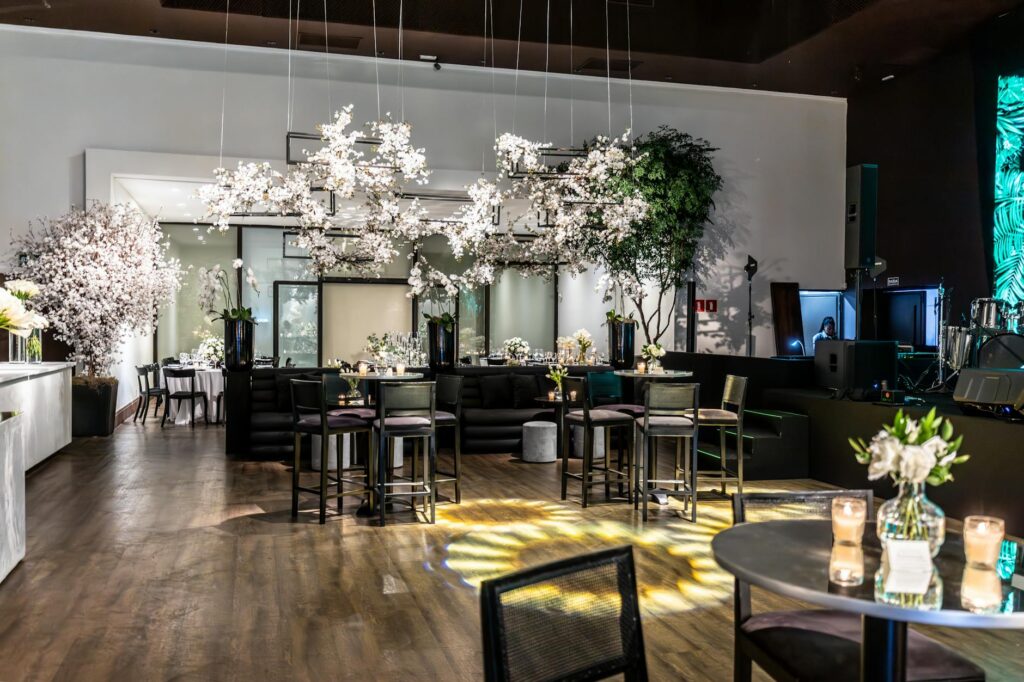
In the fast-paced and often stressful environment of hospitals, lighting plays a crucial role in enhancing comfort and well-being for patients, visitors, and healthcare professionals. The right illumination can contribute significantly to creating a calming and supportive atmosphere, aiding in the healing process and improving the overall experience within healthcare facilities. This article delves into the importance of hospital lighting in enhancing comfort and how thoughtful illumination design can positively impact everyone within the hospital setting.
View our range of Bulbs.
The Impact of Lighting on Hospital Environment
Effective lighting design in hospitals goes beyond mere visibility; it influences mood, emotions, and even the perception of pain. Bright, harsh lighting can create a sterile and unwelcoming atmosphere, increasing levels of stress and anxiety among patients. Conversely, soft and warm lighting can create a more relaxing environment, promoting feelings of comfort and safety. Studies have shown that appropriate lighting can reduce stress, improve patient outcomes, and positively impact the overall hospital experience.
The Role of Natural Light in Hospitals
Natural light is a fundamental element in hospital lighting design. Access to daylight not only reduces reliance on artificial lighting but also offers numerous health benefits. Natural light has been proven to regulate circadian rhythms, enhance mood, and promote faster recovery times for patients. Maximizing the use of natural light in hospital spaces, such as patient rooms, waiting areas, and corridors, can create a more uplifting and soothing environment for everyone within the facility.
Tailored Lighting Solutions for Different Hospital Areas
Different areas within a hospital require specific lighting solutions to cater to their unique functions and needs. Patient rooms, for instance, should offer a balance of ambient and task lighting to ensure comfort for patients while allowing healthcare professionals to carry out necessary procedures effectively. Waiting areas and corridors benefit from gentle, indirect lighting that promotes a sense of calm and helps reduce stress levels. Surgical suites, on the other hand, require bright, uniform lighting to ensure precision and accuracy during procedures.
Incorporating Technology for Enhanced Lighting Control
With advancements in lighting technology, hospitals now have access to sophisticated lighting control systems that allow for greater flexibility and customization. Tunable LED lighting, for example, enables hospitals to adjust the colour temperature and intensity of light according to the time of day or specific requirements. This dynamic approach to lighting design can mimic natural light patterns, supporting the circadian rhythms of patients and staff and promoting a sense of well-being throughout the day.
Addressing the Importance of Lighting in Healthcare Design
The significance of lighting in healthcare design cannot be overstated. Beyond its aesthetic and functional aspects, lighting directly impacts the mental and emotional well-being of individuals in a hospital setting. By carefully considering the quality, quantity, and distribution of light, hospitals can create spaces that are not only functional and efficient but also nurturing and supportive.
Conclusion
In conclusion, hospitals play a crucial role in providing care and support to those in need, and the role of lighting in enhancing comfort and well-being within these environments should not be underestimated. Thoughtfully designed lighting solutions can create a welcoming and healing atmosphere, promoting a sense of calm, comfort, and safety for patients, visitors, and healthcare professionals alike. By prioritising the importance of lighting in hospital design, healthcare facilities can truly enhance the overall experience and contribute positively to the well-being of all those within their walls.