
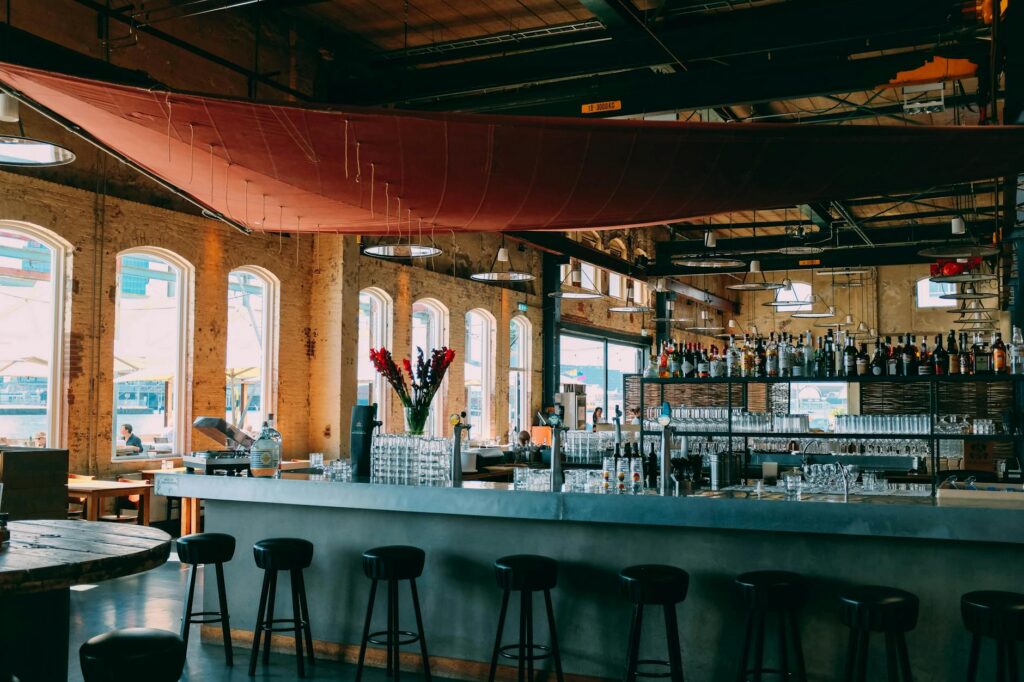
Effortless Layered Lighting: Transform Open-Plan Restaurant Spaces
Layered lighting is a design technique that involves using multiple light sources to create a versatile and visually appealing atmosphere in a space. When applied to open-plan restaurant spaces, layered lighting can truly transform the dining experience for customers. By strategically combining ambient, task, and accent lighting, restaurant owners and designers can enhance the aesthetics, functionality, and ambiance of their establishments. In this article, we will explore how effortless layered lighting can make a significant impact on open-plan restaurant spaces.
Creating the Right Ambiance with Ambient Lighting
Ambient lighting serves as the primary source of light in a space, providing overall illumination and setting the mood. In open-plan restaurant spaces, ambient lighting plays a crucial role in creating a welcoming and inviting atmosphere for diners. Soft, diffused lighting fixtures such as pendant lights, chandeliers, or recessed lights can be strategically placed to evenly illuminate the dining area without causing glare or harsh shadows. By adjusting the intensity and colour temperature of ambient lighting, restaurant owners can tailor the ambiance to suit different times of the day or specific events.
Enhancing Functionality with Task Lighting
Task lighting is focused illumination that helps diners perform specific activities such as reading the menu, slicing food, or writing on a check. In open-plan restaurant spaces, task lighting can be integrated seamlessly into the design to improve functionality and enhance the dining experience. Under-cabinet lights in food preparation areas, table lamps on dining tables, or adjustable wall sconces near booths can provide targeted light where it is needed most. By incorporating dimmable task lighting options, restaurant owners can adapt the lighting levels based on the time of day or the desired mood.
Adding Drama and Visual Interest with Accent Lighting
Accent lighting is used to highlight architectural features, artwork, or focal points in a space, adding depth and visual interest to the overall design. In open-plan restaurant spaces, accent lighting can be utilised to create focal points, draw attention to specific areas, and enhance the overall aesthetic appeal. Track lighting, wall-mounted picture lights, or LED strip lights can be strategically positioned to accentuate decorative elements, such as wall textures, artwork, or signage. By using accent lighting to create contrasts and shadows, restaurant owners can add drama and character to their space, making it more engaging for diners.
Harnessing the Power of Dimmers and Controls
Incorporating dimmers and lighting controls is essential for achieving a truly dynamic and versatile layered lighting scheme in open-plan restaurant spaces. Dimmers allow restaurant owners to adjust the brightness of individual fixtures or lighting zones, offering flexibility in creating different atmospheres for various dining occasions. Lighting controls, such as smart systems or programmable timers, enable the automation of lighting schedules, energy conservation, and the ability to create preset lighting scenes. By harnessing the power of dimmers and controls, restaurant owners can seamlessly transition between different lighting configurations, maximising the impact of their layered lighting design.
Conclusion
Effortless layered lighting can truly transform open-plan restaurant spaces by enhancing ambiance, functionality, and visual appeal. By strategically combining ambient, task, and accent lighting, restaurant owners and designers can create a dynamic and versatile lighting scheme that caters to the needs of both diners and the establishment. Through the use of dimmers and lighting controls, restaurant owners can further elevate the dining experience by adjusting lighting levels and creating customised atmospheres. Implementing a well-thought-out layered lighting design can help restaurants stand out, increase customer satisfaction, and create memorable dining experiences that keep patrons coming back for more.