
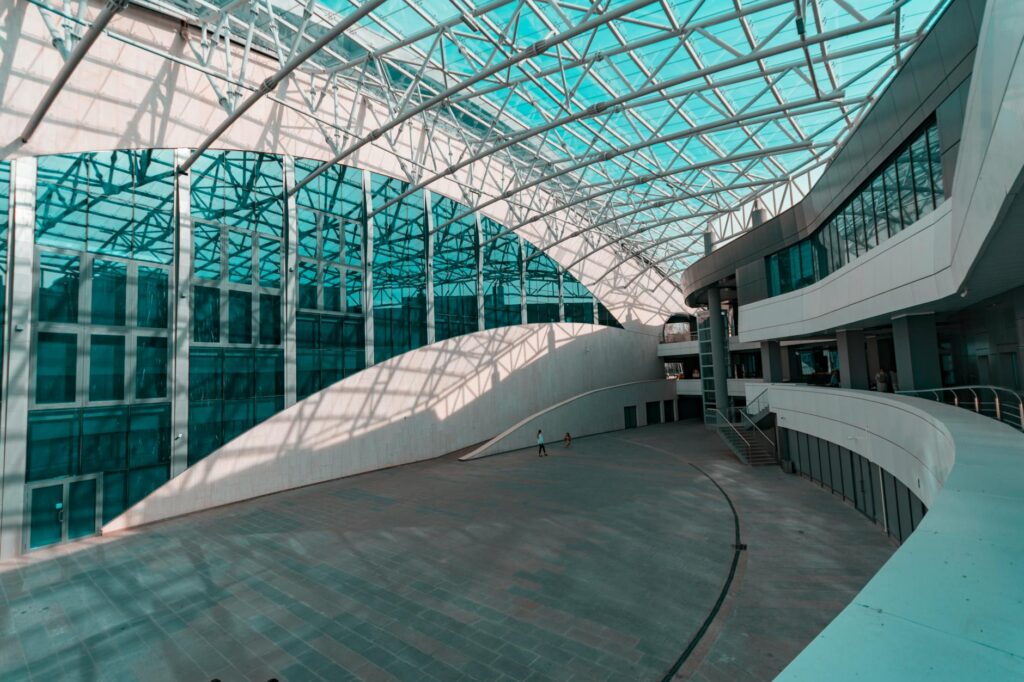
Natural lighting plays a crucial role in creating a comfortable and efficient environment. Daylight integration is the process of effectively incorporating natural light into indoor spaces to enhance well-being and reduce energy consumption. By implementing best practices, such as strategic design and technology solutions, businesses and homeowners can achieve effortless efficiency. In this article, we explore the benefits of daylight integration and highlight the best practices to make the most of natural light.
Maximising Daylight: A Sustainable Choice
Daylight is not only aesthetically pleasing but also offers numerous benefits for overall health and well-being. Maximising natural light in indoor spaces can significantly reduce the need for artificial lighting, consequently lowering energy costs and environmental impact. Studies have shown that exposure to natural light can improve mood, productivity, and overall satisfaction. By integrating daylight into building design, individuals can enjoy a sustainable and eco-friendly environment while reaping the benefits of increased natural light.
Strategic Placement of Windows and Skylights
One of the fundamental aspects of efficient daylight integration is the strategic placement of windows and skylights. When designing or renovating a space, consider the orientation of the building and the path of the sun throughout the day. Placing windows on multiple walls allows for balanced natural light distribution and minimises glare. Skylights are particularly effective in rooms with limited wall space, providing a source of overhead daylight that can brighten up interior spaces. By strategically positioning windows and skylights, you can optimise natural light penetration and enhance the overall ambiance of the space.
Utilising Smart Light Control Systems
Incorporating smart light control systems is a modern approach to maximising daylight integration and energy efficiency. These systems utilise sensors and automated controls to adjust artificial lighting levels based on the amount of natural light available. Automated blinds or shades can be programmed to open or close in response to changing light conditions, ensuring optimal daylight utilization throughout the day. By integrating smart light control systems, occupants can enjoy a seamless transition between natural and artificial lighting, improving comfort and reducing energy consumption.
Reflective Surfaces and Light-Enhancing Materials
Integrating reflective surfaces and light-enhancing materials is another effective strategy for maximising natural light within a space. Light colours on walls, ceilings, and floors can help bounce natural light deeper into the room, creating a bright and airy atmosphere. Mirrors strategically placed near windows can amplify natural light by reflecting it throughout the space. Additionally, choosing light-reflective materials for furniture and decor can further enhance the overall brightness and create a visually appealing environment. By incorporating reflective surfaces and light-enhancing materials, you can amplify the effects of natural light and create a welcoming and energy-efficient space.
Regular Maintenance and Upkeep
To ensure optimal daylight integration and efficiency, it is essential to maintain and upkeep windows, skylights, and light control systems. Regularly cleaning windows and skylights allows maximum natural light to enter the space without obstruction. Inspect and clean light fixtures, sensors, and controls to ensure they are functioning properly and efficiently. Replace any worn-out seals or weather stripping to prevent air leakage and maintain energy efficiency. By prioritising regular maintenance and upkeep, you can prolong the lifespan of daylight integration components and continue to enjoy the benefits of natural light in your space.
Conclusion
Daylight integration offers a sustainable and efficient solution for enhancing indoor environments and reducing energy consumption. By implementing best practices such as strategic placement of windows and skylights, utilising smart light control systems, incorporating reflective surfaces and light-enhancing materials, and prioritising regular maintenance, individuals can achieve effortless efficiency in their spaces. Embracing natural light not only contributes to a healthier and more productive environment but also aligns with sustainable living practices. By following these best practices, you can transform your space into a bright, inviting, and energy-efficient oasis illuminated by the power of natural light.
In conclusion, daylight integration is not just about bringing light indoors; it is about creating spaces that are conducive to well-being, productivity, and sustainability. By following these best practices, individuals and businesses can effortlessly harness the power of natural light to create bright, energy-efficient, and inviting spaces that benefit both occupants and the environment.