
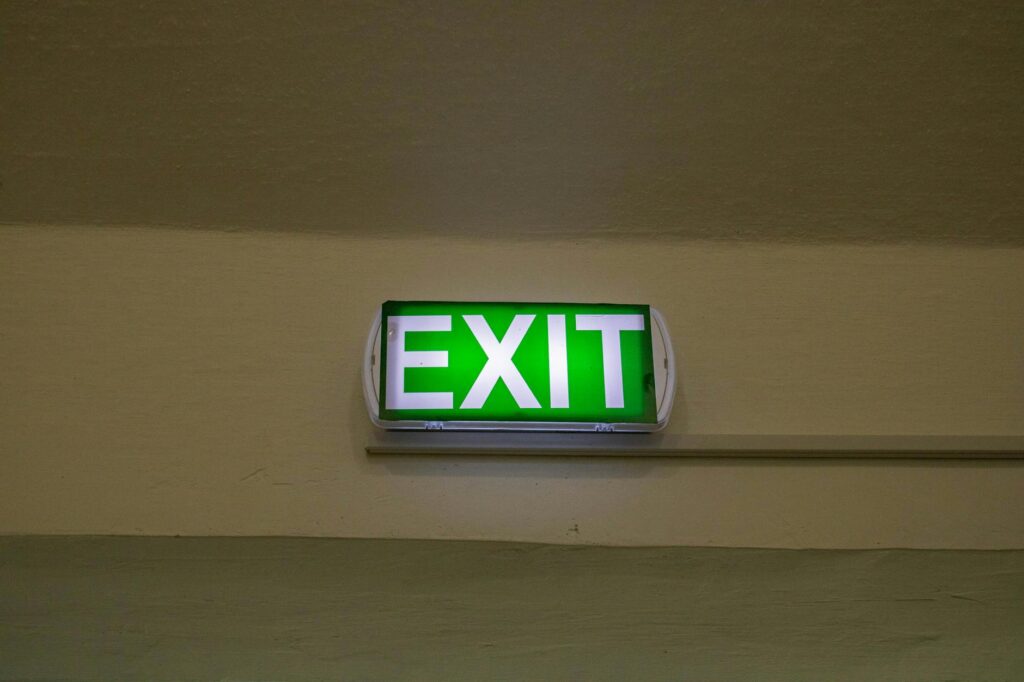
Emergency Lighting Regulations: Essential Guide for Compliance
Emergency lighting is a crucial aspect of any building’s safety systems. In the event of a power outage or emergency situation, reliable emergency lighting can make all the difference in safely evacuating occupants. However, many building owners and managers may not be fully aware of the regulations and standards that govern emergency lighting systems. Understanding and complying with these regulations is essential to ensure the safety of building occupants and avoid potential fines or legal repercussions. In this comprehensive guide, we will discuss the key regulations that govern emergency lighting and provide essential tips for compliance.
Understanding Emergency Lighting Regulations
The regulations surrounding emergency lighting are designed to ensure that buildings are equipped with adequate lighting systems to facilitate safe evacuation in emergency situations. In the UK, the main standard that governs emergency lighting is BS 5266-1:2016. This standard outlines the requirements for the design, installation, and testing of emergency lighting systems in different types of buildings.
Key Requirements for Compliance
To comply with emergency lighting regulations, building owners and managers must ensure that their emergency lighting systems meet the following key requirements:
1. Design and Installation: Emergency lighting systems must be designed and installed in accordance with the guidelines set out in BS 5266-1:2016. The design should take into account factors such as the size and layout of the building, the location of exit routes, and the needs of occupants with disabilities.
2. Duration of Illumination: Emergency lighting systems must provide sufficient illumination for a specified duration, typically 1-3 hours, to allow for the safe evacuation of occupants during a power outage or emergency situation.
3. Maintenance and Testing: Regular maintenance and testing of emergency lighting systems are essential to ensure their reliability. Building owners and managers should conduct routine inspections, testing, and maintenance to identify and address any issues promptly.
4. Escape Route Lighting: Emergency lighting must be provided along designated escape routes, such as corridors, stairwells, and exit doors, to guide occupants to safety during an emergency.
Tips for Compliance
To ensure compliance with emergency lighting regulations, building owners and managers can follow these essential tips:
1. Regular Inspections: Conduct regular inspections of emergency lighting systems to check for any signs of damage, malfunction, or obstruction that could affect their performance.
2. Training and Awareness: Provide training to building occupants on the location and use of emergency lighting systems, as well as the procedures to follow in the event of an emergency.
3. Emergency Lighting Plans: Develop and implement emergency lighting plans that outline the location of emergency lighting units, escape routes, and evacuation procedures.
4. Documentation: Maintain accurate records of the design, installation, maintenance, and testing of emergency lighting systems to demonstrate compliance with regulations.
Conclusion
Compliance with emergency lighting regulations is vital for the safety and well-being of building occupants. By understanding the key requirements and following essential tips for compliance, building owners and managers can ensure that their emergency lighting systems are reliable and effective in emergency situations. Regular maintenance, testing, and staff training are essential components of a successful emergency lighting compliance strategy. By prioritising safety and adherence to regulations, building owners can help create a secure environment for occupants and minimise the risks associated with emergencies.